Provide Quality Indian Music and Dance Entertainment (Not-for-profit Organization)
Sunday 20 May 2012
You are here: Home
  • Increase font size
  • Default font size
  • Decrease font size
Who we are
Swar Sadhana Music Lovers Club is a Brampton based registered not-for-profit organization, since 2008.
Read more ...
What we do
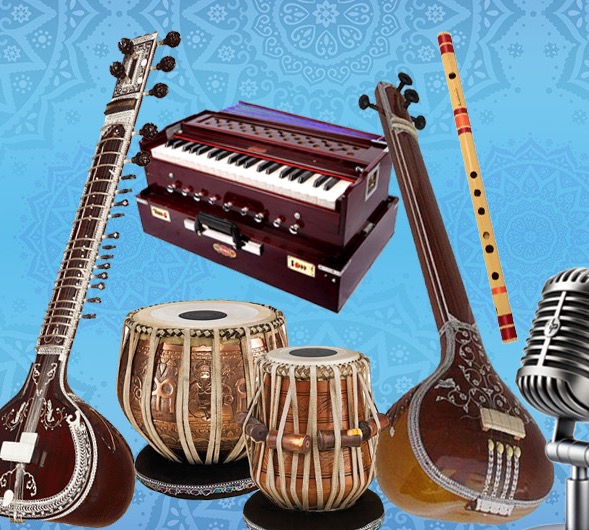
SSMLC has arranged series of programs such as live concerts, workshops, performances and excellent performer programs for people to explore and show their talent in India music and dance,
Read more ...
How can you help
As a not-for-profit organization striving to provide quality platform for upcoming talent, we seek financial support from valued sponsors like you
Read more ...
Get in touch

Liked it? Share it with your friends -

Latest News

Swar Sadhana Music Lovers Club

Welcome

Welcome to Swar Sadhana Music Lovers Club - A reistered not-for-profit organization, motivated in the development and promotion of Rich Indian Cultural Values. Our goal is to establish music and dance platform for local talent to showcase. If you wish to join our club, please review the membership section for the belefits and values.

Togather we can make the difference.

President

SSMLC

STAY TUNED WITH OUR EXCITING SEASON 2012


Search

Members Login

Test


Navratri 2011

Navaratri Festival 2011

Navratri is an important Hindu festival, celebrated with religious fervor and great enthusiasm by the Hindus in different parts of the country. It is celebrated twice a year - in March-April (as Chaitra Navratri) and in October-November. While the ninth day of Chaitra Navratri is celebrated as Ram Navami, the festival celebrated in September-October commemorates the victory of Goddess Durga over the demon Mahishasura. Though a number of legends are associated with the conception of Navratri, just like all the other Hindu festivals, the deity Goddess Shakti and her various forms are worshipped in both the cases. Navaratri holds a special significance in Gujarat and West Bengal. In Gujarat, the festival is celebrated to worship Goddess Jagdamba, while in West Bengal it takes the shape of Durga Puja. Coming down to the southern parts of the country, the Navratri in October-November is dedicated to the three avatars of Goddess Shakti - the first three days to Goddess Durga (the Warrior Goddess), the next three days to Goddess Lakshmi (the Goddess of Wealth) and the last three days to Goddess Saraswati (the Goddess of Knowledge). Bomma Kolu (display of small statuettes and idols of Gods) is the important ritual of Navratri in South India. Fasting is one of the highlights of Navratri. People observe fast for either seven or eight days, to honor Goddess Shakti. While many people break their fast on the eighth day (Ashtami) of Navratri by worshipping young girls, others do the same thing on the ninth day (Navami) of the festival, to culminate the celebrations. All through the seven or eight days of fasting, the people would survive on a diet especially formulated for the fast. It typically consists of fruits, milk and its products, sago recipes, potato recipes (both cooked without spices). Sendha namak (rock salt) is used for the recipes of Navratri fast. On the day when they break fast, they would worship young girls, seek their blessings in return of which, the devotees would offer money and prasad as the dakshina. The celebrations of Navratri are characterized by the worship of Goddess Shakti. Although people in different regions celebrate the festival in different ways, according to their indigenous customs, the thought among everyone is the same - to invoke Goddess Shakti and seek her blessings. In Maharashtra, the nine nights of Navratri are dedicated to worship of the deity and dance performances, typically dandiya (a folk dance performed by men and women). In Gujarat, Garba dance is performed during the festival, while in South India, worship of the deity is given importance. It is interesting to see the Hindu people, belonging to different regions of India, to celebrate Navratri with equal enthusiasm, every year. Chaitra Navratri or Vasant Navratri: April 4, 2011 to April 12, 2011 Sharad Navratri: September 28, 2011 to October 5, 2011

SSMLC - Photo Gallery

Navaratri Festival 2011

Navratri is an important Hindu festival, celebrated with religious fervor and great enthusiasm by the Hindus in different parts of the country. It is celebrated twice a year - in March-April (as Chaitra Navratri) and in October-November. While the ninth day of Chaitra Navratri is celebrated as Ram Navami, the festival celebrated in September-October commemorates the victory of Goddess Durga over the demon Mahishasura. Though a number of legends are associated with the conception of Navratri, just like all the other Hindu festivals, the deity Goddess Shakti and her various forms are worshipped in both the cases. Navaratri holds a special significance in Gujarat and West Bengal. In Gujarat, the festival is celebrated to worship Goddess Jagdamba, while in West Bengal it takes the shape of Durga Puja. Coming down to the southern parts of the country, the Navratri in October-November is dedicated to the three avatars of Goddess Shakti - the first three days to Goddess Durga (the Warrior Goddess), the next three days to Goddess Lakshmi (the Goddess of Wealth) and the last three days to Goddess Saraswati (the Goddess of Knowledge). Bomma Kolu (display of small statuettes and idols of Gods) is the important ritual of Navratri in South India. Fasting is one of the highlights of Navratri. People observe fast for either seven or eight days, to honor Goddess Shakti. While many people break their fast on the eighth day (Ashtami) of Navratri by worshipping young girls, others do the same thing on the ninth day (Navami) of the festival, to culminate the celebrations. All through the seven or eight days of fasting, the people would survive on a diet especially formulated for the fast. It typically consists of fruits, milk and its products, sago recipes, potato recipes (both cooked without spices). Sendha namak (rock salt) is used for the recipes of Navratri fast. On the day when they break fast, they would worship young girls, seek their blessings in return of which, the devotees would offer money and prasad as the dakshina. The celebrations of Navratri are characterized by the worship of Goddess Shakti. Although people in different regions celebrate the festival in different ways, according to their indigenous customs, the thought among everyone is the same - to invoke Goddess Shakti and seek her blessings. In Maharashtra, the nine nights of Navratri are dedicated to worship of the deity and dance performances, typically dandiya (a folk dance performed by men and women). In Gujarat, Garba dance is performed during the festival, while in South India, worship of the deity is given importance. It is interesting to see the Hindu people, belonging to different regions of India, to celebrate Navratri with equal enthusiasm, every year. Chaitra Navratri or Vasant Navratri: April 4, 2011 to April 12, 2011 Sharad Navratri: September 28, 2011 to October 5, 2011

SSMLC - Video Gallery